
how to become a plumber in South Africa
A plumber is a skilled tradesperson who installs, repairs and maintains water supply systems, drainage systems, pipes, fittings and sanitation infrastructure in homes, businesses and industrial buildings.
Plumbing is one of the most respected and in-demand artisan careers in South Africa. As infrastructure continues to expand and maintenance services remain essential, qualified plumbers are needed in residential construction, commercial property maintenance, factories, hospitals and municipal projects.
If you enjoy practical work, solving problems and working with your hands, a plumbing career can offer long-term job security, good earning potential and opportunities to start your own business
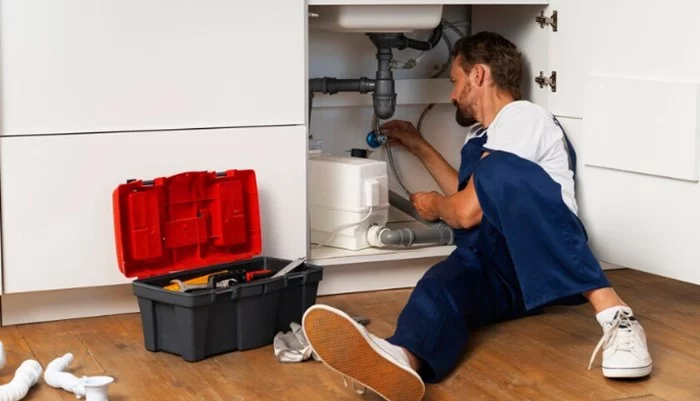
Table of Contents
What does a plumber do?
Plumbers work on water and sanitation systems in residential, commercial and industrial environments. Their responsibilities include installing new plumbing systems, repairing damaged pipes, maintaining drainage systems and ensuring buildings comply with plumbing regulations and safety standards.
Professional plumbers may work on:
- Water supply systems
- Drainage and sewerage systems
- Bathrooms and kitchens
- Geysers and hot water systems
- Industrial piping systems
- Construction projects
- Maintenance and emergency repairs
Many plumbers also specialise in areas such as maintenance plumbing, construction plumbing, solar water systems and industrial installations.
How to Become a Plumber in South Africa
Meet the Minimum Entry Requirements
Most plumbing training programmes require Grade 9 or higher, although many employers prefer candidates who have completed Grade 12 with Mathematics or Technical subjects.
Complete Plumbing Training
Enroll in an accredited plumbing course through a TVET college, private training institution or apprenticeship programme. Training combines theoretical learning with practical workplace experience.
Register for an Apprenticeship
A plumbing apprenticeship allows you to gain hands-on industry experience while working under qualified plumbers. Apprenticeships are one of the best pathways into the trade.
Gain Workplace Experience
Practical experience is essential in the plumbing industry. During training you will learn how to install pipes, repair leaks, read building plans, work with plumbing tools and understand safety procedures.
Pass Your Trade Test
To become a qualified artisan plumber in South Africa, you must complete and pass a recognised plumbing trade test.
Register with Industry Bodies
Many plumbers register with professional organisations such as the Plumbing Industry Registration Board (PIRB) to improve credibility and employment opportunities.
Skills Needed to Become a Successful Plumber
Problem-Solving Skills
Plumbers must identify faults quickly and find effective solutions to plumbing issues.
Communication Skills
Good communication helps plumbers explain problems and repair processes clearly to customers and contractors.
Technical Ability
Plumbers work with specialised tools, piping systems, fittings and building plans.
Physical Fitness
Plumbing often involves lifting equipment, working in confined spaces and standing for long periods.
Attention to Detail
Precision is important when installing systems and ensuring compliance with safety regulations.
Time Management
Many plumbers manage multiple projects and emergency call-outs, making organisation essential.
Pros and Cons of Becoming a Plumber
Advantages of Plumbing Careers
High Demand
Qualified plumbers remain in demand throughout South Africa due to infrastructure development and ongoing maintenance needs.
Good Earning Potential
Experienced plumbers can earn competitive salaries, especially those with specialised skills or their own businesses.
Job Security
Plumbing is considered an essential service, making it a stable long-term career.
Self-Employment Opportunities
Many plumbers eventually start their own plumbing companies or contracting businesses.
Practical Work Environment
Plumbers enjoy active, hands-on work instead of office-based routines.
Challenges of Plumbing Careers
Physically Demanding Work
The job may involve lifting, climbing and working in uncomfortable environments.
Emergency Call-Outs
Some plumbers work after hours or weekends to handle urgent repairs.
Exposure to Harsh Conditions
Plumbers may work in wet, dirty or confined spaces.
Continuous Learning
Modern plumbing systems and regulations continue to evolve, requiring ongoing training.
How Much Do Plumbers Earn in South Africa?
Plumber salaries in South Africa vary depending on experience, qualifications, location and specialisation.
Average Plumbing Salaries:
- Entry-level plumber: R8,000 – R15,000 per month
- Qualified plumber: R15,000 – R30,000 per month
- Experienced or specialised plumber: R30,000+ per month
Self-employed plumbers and contractors may earn significantly more depending on their client base and projects.
Plumbing Job Opportunities and Career Outlook
Plumbing remains one of South Africa’s most valuable artisan trades. Skilled plumbers are needed in:
- Residential construction
- Commercial property maintenance
- Municipal infrastructure
- Mining and industrial sectors
- Hospitality and tourism
- Facilities management companies
As water infrastructure and housing developments continue to expand, plumbing careers are expected to remain stable and in demand.
Experienced plumbers may also move into:
- Project management
- Plumbing inspections
- Training and mentorship
- Construction supervision
- Business ownership
Plumbing Colleges and Training Institutions in South Africa
Recommended Plumbing Training Providers
- PCD College
- Occupational Training and Trade Test Centre (OTT)
- Gauteng Training Institute
- Northlink College
- Majuba TVET College
- Lovedale TVET College
- Mnambithi TVET College
- Nkangala TVET College
Before enrolling, always confirm that the institution offers accredited plumbing qualifications and recognised trade test preparation.