
How to Become a Security Guard
Become a security guard and protect lives and property. Learn the skills and regulations to work in various settings, from businesses to residential areas. Advance your career in a growing industry with opportunities for specialization and leadership roles.
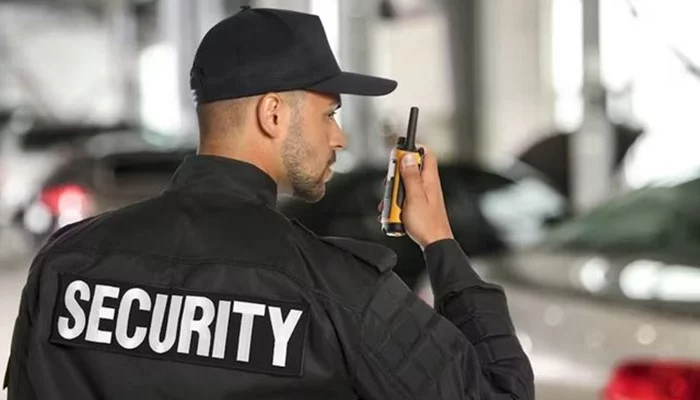
Table of Contents
What does a security guard do?
Embark on a rewarding career as a security guard in South Africa. Protect lives and property while ensuring safety and security in various settings. Learn the necessary skills, obtain relevant certifications, and explore career opportunities in the dynamic security industry.
A security guard’s primary role is to protect people, property and assets from a variety of hazards. They must prevent a crime from happening by proactively watching for suspicious behaviour, mitigating risks as they appear and contacting the proper authorities when an incident occurs. Security guards may work for a government or private party and in a variety of settings, including large companies, schools and office buildings.
As a security guard, you’ll play a vital role in safeguarding businesses, residential areas, and public events. You’ll be responsible for monitoring premises, controlling access, and responding to security threats. To excel in this field, you’ll need a combination of physical fitness, strong observation skills, and the ability to remain calm under pressure.
The security industry in South Africa offers a diverse range of career paths, from static security to mobile patrols and specialized roles like close protection. With the right qualifications and experience, you can advance your career and achieve professional growth.
- Patrolling: Security guards regularly patrol a property to ensure it’s safe and secure.
- Monitoring: They monitor video surveillance systems and alarms to look for signs of crime or other hazards.
- Responding to emergencies: Security guards respond to emergencies and incidents and report them to the appropriate authorities.
- Enforcing rules: They enforce rules and regulations and control access to a property.
- Detaining suspects: Security guards can detain suspects until law enforcement arrives.
- Performing security checks: They perform security checks on visitors and employees, including luggage checks and security scanners.
- Writing reports: They write reports on what they observed while on duty.
- Assisting with maintenance: They may assist maintenance staff with securing areas during emergencies.
- Performing first aid: They may perform first aid or CPR when needed.
- Communicating: They use communication devices such as two-way radios to communicate.
- De-escalating situations: They may use verbal communication, negotiation, persuasion or mediation to resolve disputes.
How to become a security guard
To become a security guard in South Africa, you must:
- Be in possession of a Senior Certificate (Grade 12) or National Certificate (Vocational) recorded on the National Learner Record Database on NQF level 4.
- Be registered with the Private Security Industry Regulatory Authority (PSIRA).
- Be in possession of at least a Grade C security certificate.
Recommended skills
Physically Fit
Security guards need to be physically fit to perform routine inspections, chase criminals and respond to emergencies.
Communication skills
They need to be able to communicate clearly and effectively with the public, colleagues and other professionals.
Honesty
Security guards should be honest, loyal, and have integrity.
Alertness
They need to be observant and notice everything happening around them.
Attention to detail
Security guards need to know what the typical conditions are in the facility they guard so they can tell when something is out of place.
Problem solving
Security guards need to be able to analyse information, review possible risks and decide on the best course of action.
Pros & cons
Pros
- You can work flexible hours
Security guards often have the option to work flexible hours, such as night shifts, weekends or even normal working hours. Depending on the tasks of the job, you might work a full day shift or several smaller shifts throughout your day. Many guards work holidays, which can offer more opportunities to earn extra money and experience.
- You can spend more time on your feet
Security guards often walk routes or patrol large areas, requiring them to spend much of their time on their feet. This can be a great career choice for someone who does not like traditional office settings where they might spend hours sitting in a chair, or for someone who likes to work outdoors. You can stay active while earning a living and even get into better physical shape while performing your job. Typically, security guards spend a large portion of their shift walking or moving, but some guards sit at a desk or monitor watching cameras and controlling building entryways.
- You provide a valuable service
Security guards provide a much-needed and valuable service for their employers. They can guard anything from money to property, help protect a business’ assets and prevent loss. Security guards can prevent intruders from entering a workplace and even guard trade secrets for the company. You may find immense satisfaction in knowing that you stand between criminals and the company’s assets. Companies typically show their appreciation for such services through unique benefits packages and competitive wages, so you might also earn more in certain security roles.
- You can learn self-defence
Some security guards learn different methods of self-defence or how to operate a firearm. They also learn important security protocols and measures to take in the event of an intrusion, natural disasters or other similar events. This information can be useful outside of work, at home or in your personal life. Understanding self-defence and basic security measures can help you create a more secure home and potentially protect yourself when you’re out in public. Not all security roles require such extensive training, but certain roles only accept applications for guards with extensive self-defence or firearms knowledge.
- You won’t need a college degree
Some security officers in management positions possess a college degree, but overall, you don’t need a degree to become a security guard. This means you can avoid accumulating student debt and immediately start earning a living once you find a job in security. Some security guards do require licensing, but the licensure depends on the kind of guard and state of operation.
Cons
- You might face dangerous situations
Security guards act as an onsite deterrent against crime, but that doesn’t always mean that no crimes occur while you are on duty. As a security guard, you may face potentially dangerous situations with criminals. These situations require good training, patience and problem-solving skills While many security guards never experience an incident in their careers, it’s still important to prepare yourself to be ready in case of an emergency. The more prepared you are, the better you can respond to any situation.
- Your salary might be low
While this salary is slightly lower than other jobs, you can still increase your earnings through overtime opportunities, holiday work or in-demand working hours. For example, you might work for a security company that pays more for night-shift employees. You also might find work guarding high-profile assets or people that offer higher pay for higher risks. It’s important to explore any opportunities that present themselves to ensure you’re earning the highest possible salary
- You might work night shifts
While flexible hours may be a benefit for some, the possibility of working night shifts can be a con for others. Working the night shift requires you to stay awake and alert throughout the night, which can be tiring. Security guards who take night shift hours become accustomed to the hours and eventually get less tired after each shift. It’s important to understand that your employer might require you to work night shifts, so consider whether you’re able to or want to work those hours before pursuing a security guard career.
- You may not have many advancement opportunities
As a security guard, there sometimes isn’t much room to advance. You can become a security officer or supervisor, which can offer slightly better hours and pay. From there, it’s more difficult to achieve a higher salary or position without extra education. For example, if you want to become a security consultant or analyst, you might pursue a bachelor’s degree to support your experience in security. Some security guards start their own businesses, offering security consulting or contractor security services. Starting as a security guard is a great way to learn about the industry and gain valuable experience.
- You might experience burnout
With potentially long hours, night shifts and overtime, some security guards may experience burnout, working too hard for several weeks, months or years and start feeling tired all the time or uninterested. You can avoid burnout in your career as a security guard by looking for new opportunities at different locations, requesting different hours and committing your time to increasing specific skills.
How much do security guards make?
Based on 144 salaries in SA, the average security guard salary in SA is R 162 000 per year or R 83.08 per hour, R13 500 per month. Entry-level positions start at R 97 500 per year, while most experienced workers make up to R 319 050 per year. Low R8125 per month, average R13 500 and high R26 588.
Job Security and outlook
Security guard jobs in South Africa offer a relatively stable career path, particularly in urban areas and high-security environments. The demand for security personnel remains consistent due to concerns about crime and safety. However, job security can vary depending on specific employers and economic conditions.
Educational and training institutions
Registered Trainers Offering Security Guard training in SA:
PSiRA registered Training Academies
TVET colleges in SA offering safety and security training:
False Bay TVET College: Offers the NC(V): Safety in Society NQF Level 2-4.
South Cape TVET College: Offers the Safety in Society Level 2 – 4.
NCR TVET College: Offers Safety in Society.
Northlink College: Offers the Safety in Society Level 2 – 4: National Certificate.
Berea College of Technology: Offers a Certificate in Security Management.
Cape Peninsula University of Technology: Offers Safety and Security.